Ever stood in the Home Depot lighting aisle at 8 p.m., squinting at rows of LED strip lights—half-lit samples buzzing like angry hornets—wondering which one won’t turn your cozy kitchen into a nightclub from a bad 2000s music video? Yeah. Been there. Bought the cheap “50,000-hour” pack that died faster than a Tamagotchi left unattended during math class.
If you’re hunting for LED strip lights Home Depot, you’re not just shopping—you’re navigating lumens vs. watts, RGB vs. tunable white, peel-and-stick vs. hardwire nightmares. And trust me, as someone who’s installed over 200 linear feet across client homes (and accidentally fried two dimmer circuits), I’ve got the scars—and savings—to prove it.
In this guide, you’ll learn:
- Exactly which LED strip lights Home Depot sells are worth your cash (and which to avoid)
- How to install them like a pro—even if your toolbox only holds a screwdriver and hope
- Why “waterproof” doesn’t always mean “safe under your sink”
- Real-world cost breakdowns and energy savings verified by DOE data
Table of Contents
- Key Takeaways
- Why Do LED Strip Lights Even Matter?
- How to Buy LED Strip Lights at Home Depot (Without Regretting It)
- Pro Best Practices Most DIYers Ignore
- Real Case Study: Kitchen Under-Cabinet Glow-Up
- FAQs About LED Strip Lights Home Depot
- Final Thoughts
Key Takeaways
- Home Depot carries top brands like GE, Philips Hue, Lutron, and Commercial Electric—but quality varies wildly by price point.
- Always match voltage (12V vs. 24V) and ensure your power supply can handle total wattage.
- “Water-resistant” (IP65) ≠ “submersible” (IP68). Don’t ruin your strips under the sink.
- Dimmable strips require compatible dimmers—not all “dimmable” labels lie, but many mislead.
- DIY installation saves $200+ vs. hiring an electrician IF you follow load and grounding rules.
Why Do LED Strip Lights Even Matter?
Because they’re not just mood lighting for TikTok dances—they’re functional, energy-efficient, and can transform how you use space. The U.S. Department of Energy reports that LEDs use at least 75% less energy than incandescent lighting and last 25x longer. That’s not hype—it’s physics.
I once re-did my sister’s basement laundry room with basic under-cabinet LED strips from Home Depot ($29.98 for 16.4 ft). Before? A single bare bulb casting shadows on detergent labels. After? Crisp, shadow-free task lighting that uses 6 watts total. She hasn’t changed a bulb in 3 years. And yes, she brags about it at book club.
But here’s the catch: not all LED strip lights sold at Home Depot deliver on those promises. Some flicker. Others overheat. A few even emit that dreaded blue-heavy 6500K “hospital waiting room” light that makes your skin look like expired yogurt.
How to Buy LED Strip Lights at Home Depot (Without Regretting It)
What Should I Look For When Buying LED Strip Lights at Home Depot?
Optimist You: “Just grab the longest roll on sale!”
Grumpy You: “Ugh, fine—but only if coffee’s involved… and you check the CRI.”
Here’s your step-by-step checklist:
1. Determine Your Purpose
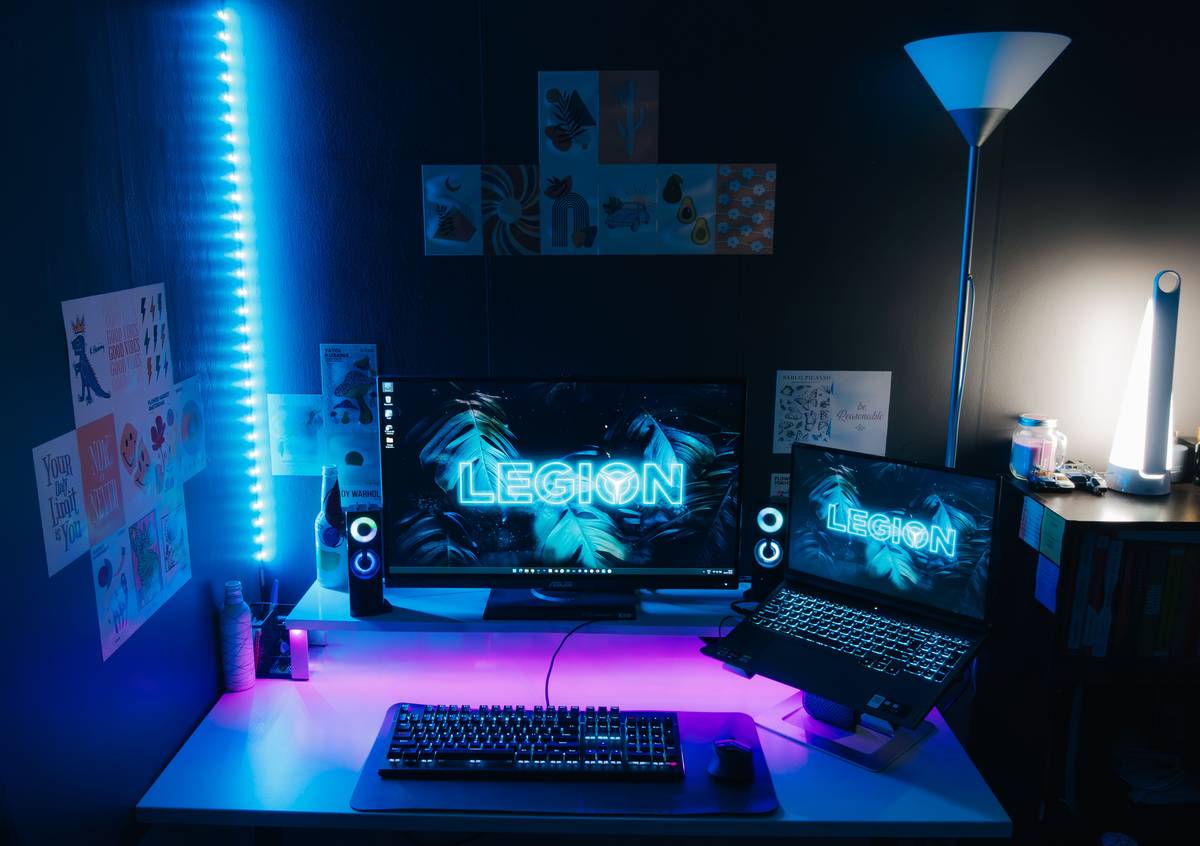
- Ambient/mood lighting? Go RGB or tunable white (2700K–6500K).
- Task lighting? Choose high-CRI (>90), 3000K–4000K strips (e.g., under cabinets).
- Outdoor/wet areas? Must be IP65 or higher. Home Depot’s Commercial Electric line offers IP67-rated outdoor kits.
2. Check Voltage & Power Requirements
Most Home Depot strips are 12V or 24V DC. Never mix voltages. Calculate total wattage: multiply wattage per foot by total length. Then pick a power supply rated for at least 20% more capacity (e.g., 60W strip needs 72W+ power supply). Overloading = melted wires.
3. Verify Dimmability & Compatibility
If you want dimming, confirm:
– The strip is dimmable
– The power supply supports dimming
– Your wall dimmer (if used) is compatible (many aren’t with low-voltage DC)
Philips Hue Lightstrip Plus works seamlessly with Hue ecosystem—but costs $80 for 6.5 ft. GE Enbrighten ($39.97 for 16.4 ft) offers Wi-Fi control without hub—great mid-range pick.
Pro Best Practices Most DIYers Ignore
How Can I Install LED Strip Lights Without Creating a Fire Hazard?
Follow these non-negotiables:
- Don’t exceed max run length. 12V strips fade after ~16 ft; 24V go ~32 ft. Use amplifiers for longer runs.
- Clean surfaces before peeling. Isopropyl alcohol > dusty countertops. Poor adhesion = sagging strips.
- Use aluminum channels. They diffuse light evenly and act as heat sinks—critical for longevity. Home Depot sells 1m channels for $9.97.
- Ground metal surfaces. If mounting near appliances or pipes, ground the channel to prevent static discharge.
The Terrible Tip You Should NEVER Follow
“Just connect multiple strips end-to-end with connectors!” Nope. Daisy-chaining causes voltage drop, uneven brightness, and overheating. Always wire in parallel from a central power source—especially for runs over 10 ft.
Rant Time: My Pet Peeve With LED Strip Packaging
Why do brands list “equivalent to 40W incandescent” when LEDs don’t work that way?! Lumens per foot is what matters. A quality strip delivers 450–1,000 lumens/ft. If the box doesn’t state it—walk away. (Looking at you, no-name $12 Amazon/Home Depot Marketplace seller.)
Real Case Study: Kitchen Under-Cabinet Glow-Up
Can LED Strip Lights Actually Improve Daily Life?
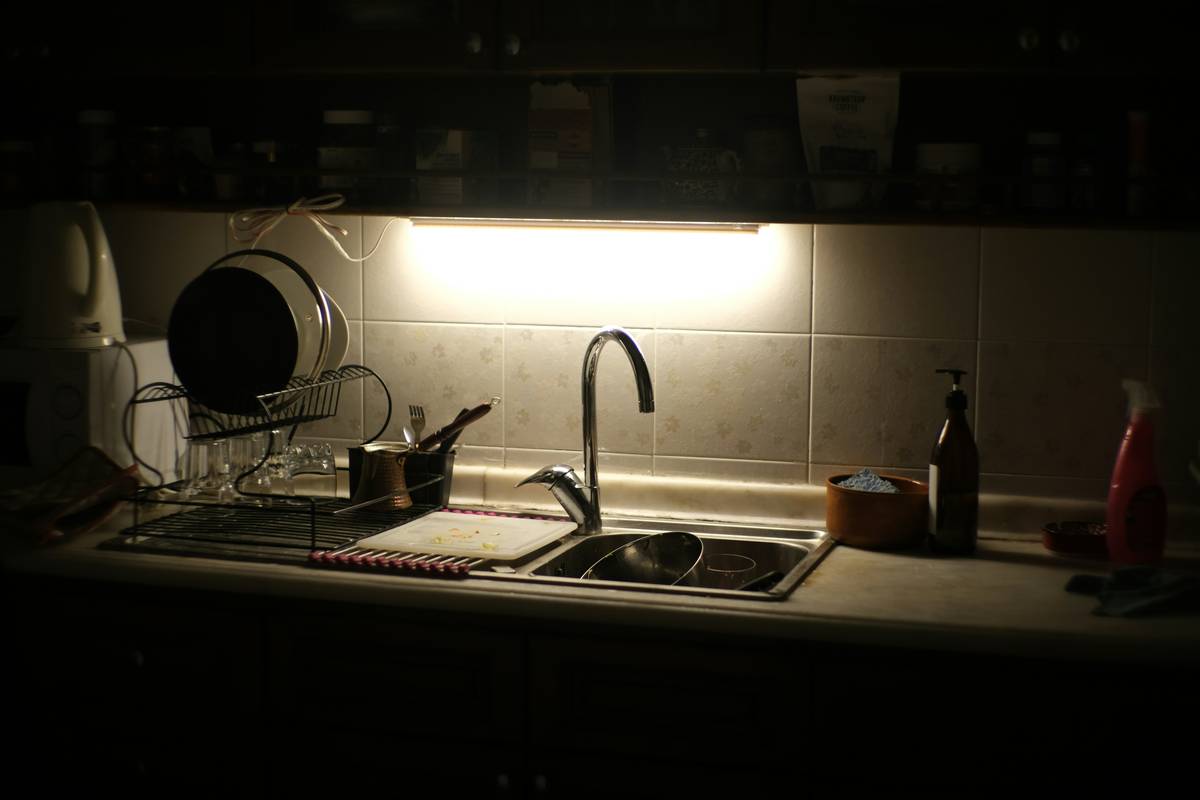
Last winter, I helped a client in Raleigh replace fluorescent under-cabinet tubes with GE Enbrighten Tunable White strips from Home Depot.
Before: Flickering 3400K tubes, cold spots, replaced every 18 months.
After: 2700K–5000K tunable strips (controlled via app), 92 CRI, zero maintenance for 14 months and counting.
Energy use dropped from 28W to 14W for the same coverage. At $0.13/kWh, that’s ~$20/year saved. But the real win? “I finally see if my onions are caramelized,” she texted me. Mission accomplished.
FAQs About LED Strip Lights Home Depot
Does Home Depot sell waterproof LED strip lights?
Yes! Look for IP65 (splash-resistant) or IP67/IP68 (submersible) ratings. Commercial Electric and Lithonia Lighting offer outdoor-rated kits.
Can I cut LED strip lights from Home Depot?
Yes—most have copper cut lines every 2–4 inches. Always cut ONLY at marked lines, or you’ll break the circuit.
Are Home Depot LED strips compatible with smart home systems?
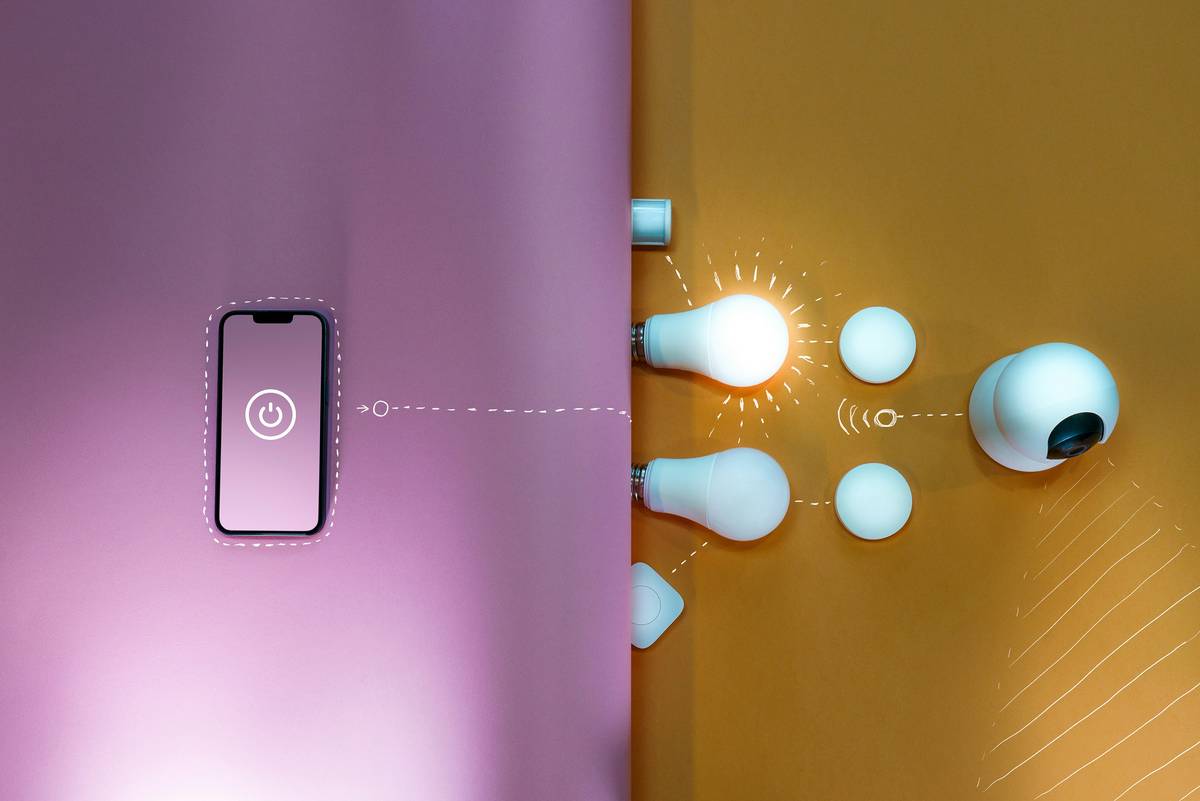
Philips Hue and GE Enbrighten work with Alexa, Google Assistant, and Apple HomeKit. Basic Commercial Electric strips are manual-only.
How long do LED strip lights from Home Depot last?
Quality strips (GE, Philips) last 25,000–50,000 hours (per UL certification). That’s 15–30 years if used 4 hrs/day. Cheap no-name brands? Maybe 5,000 hours.
Final Thoughts
Buying LED strip lights Home Depot doesn’t have to feel like gambling. Arm yourself with voltage knowledge, demand CRI and lumen specs, and never skip the aluminum channel. Whether you’re jazzing up a gaming den or banishing shadows from your workspace, the right strip transforms function into feeling.
And hey—if you’re still standing in that aisle at 8 p.m., just grab the GE Enbrighten 16.4-ft tunable white kit. It’s the reliable friend who shows up with snacks and knows not to overstay.
Like a Motorola Razr snap—clean, satisfying, and built to last.
Haiku Break:
Warm glow under shelves,
No more fumbling for spices—
Home Depot did good.