Ever walked into a friend’s “vibey” bedroom only to find yourself blinking like you’ve been caught in a police strobe light? Yeah. LED strip lights can elevate your space—but only if you avoid the rookie traps that make interiors look like a TikTok afterparty gone wrong.
In this guide, I’ll walk you through how to use LED strip lights home decor effectively—not just for mood, but for function, cohesion, and actual elegance. You’ll learn:
- Where to install strips without creating visual chaos
- Which specs actually matter (spoiler: brightness ≠ better)
- Real examples from my own projects—plus one cringe-worthy fail involving a kitchen backsplash and disco mode
By the end, you’ll know exactly how to make LED strips work *with* your decor—not against it.
Table of Contents
- Why LED Strip Lights Are More Than Just a Trend
- How to Install LED Strip Lights for Home Decor That Actually Works
- 5 Pro Tips for Using LED Strip Lights in Home Decor
- Real-World Case Study: My Bedroom vs. My Mom’s Kitchen
- LED Strip Lights Home Decor FAQ
Key Takeaways
- LED strip lights should enhance architectural features—not distract from them.
- Color temperature (measured in Kelvin) matters more than RGB color options for cohesive decor.
- Always choose strips with high CRI (≥90) for accurate, flattering light.
- Avoid “disco mode” in functional spaces—it kills ambiance and usability.
- Hardwiring + dimmers = long-term reliability over plug-in USB hacks.
Why LED Strip Lights Are More Than Just a Trend?
Let’s be real: for years, LED strips were relegated to dorm rooms, gaming setups, and that one cousin who thinks “cyberpunk” is an interior design style. But thanks to dramatic improvements in color rendering, dimmability, and integration with smart home systems, they’ve graduated to legitimate architectural lighting tools.
According to the U.S. Department of Energy, LED lighting uses at least 75% less energy than incandescent and lasts up to 25 times longer. But beyond efficiency, what makes modern LED strips viable for tasteful home decor is their ability to provide **indirect, diffused illumination**—the kind designers have used for decades in high-end builds via cove lighting or soffits, now accessible for under $50.
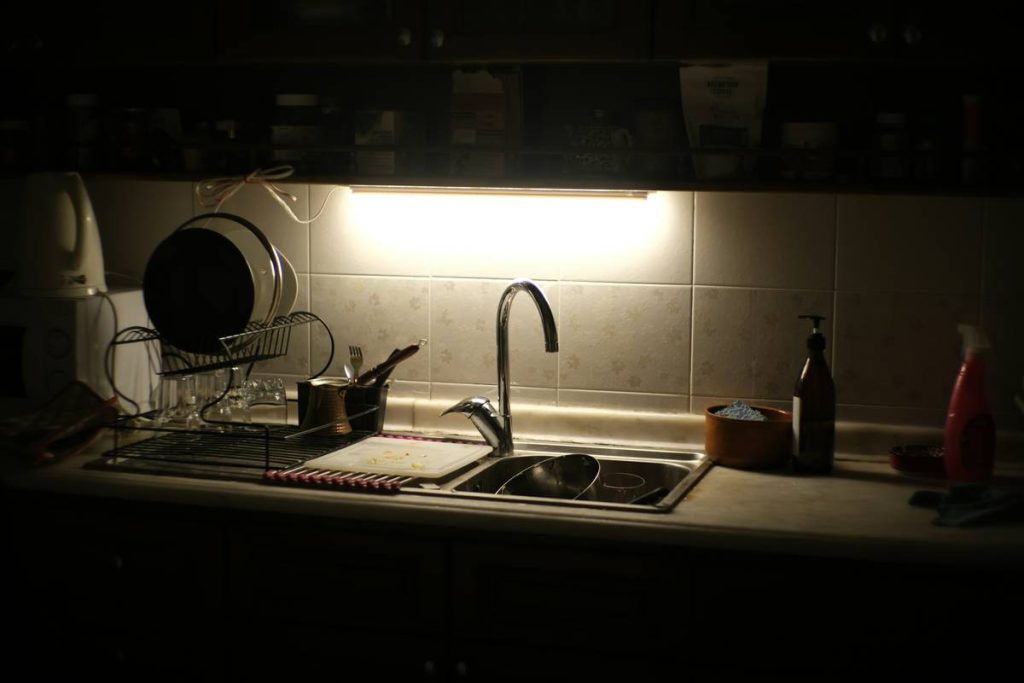
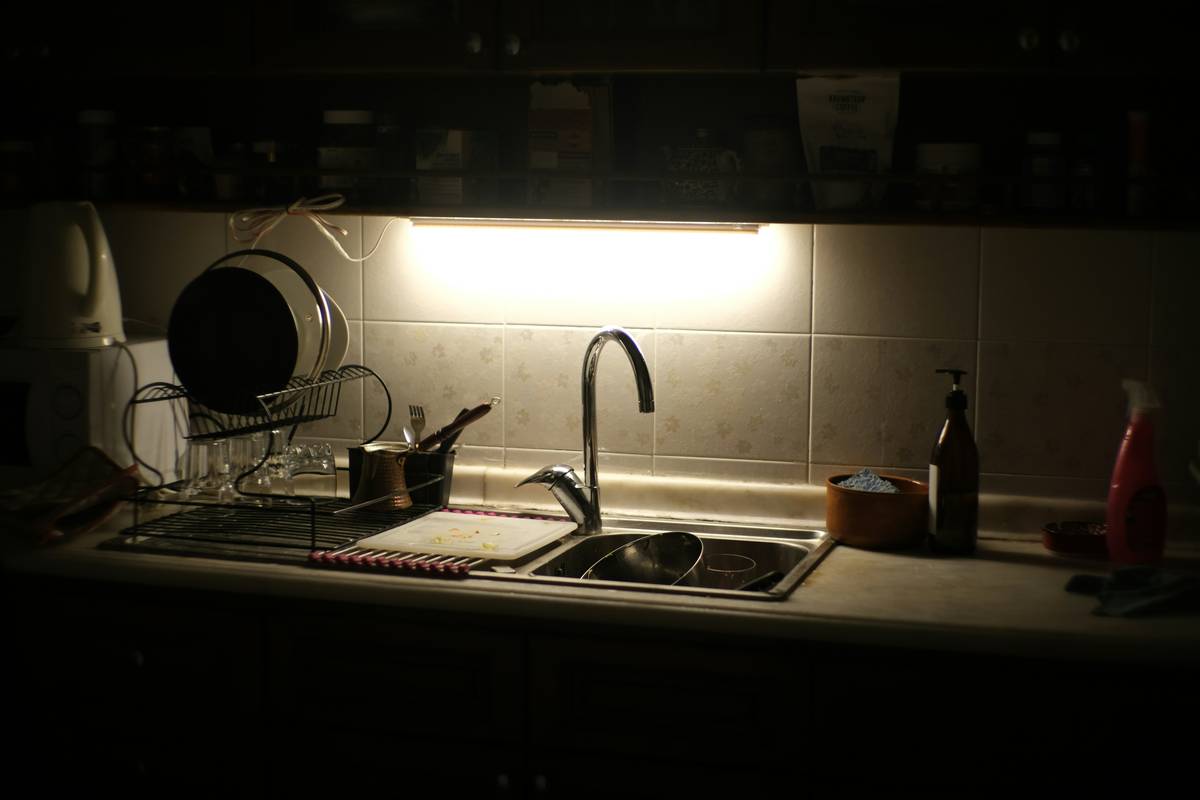
Back in 2020, I tried installing cheap, no-name RGB strips under my kitchen cabinets. Within three weeks, half the diodes flickered like a haunted house. Worse, the colors looked muddy—greens leaned yellow, blues washed out white countertops. That failure taught me: not all LED strips are created equal.
How to Install LED Strip Lights for Home Decor That Actually Works
Where should I put LED strip lights in my home?
Optimist You: “Everywhere! Ceiling coves, toe kicks, shelves—go wild!”
Grumpy You: “Ugh, fine—but only if we’re hiding the power supply and avoiding direct line-of-sight to the diodes.”
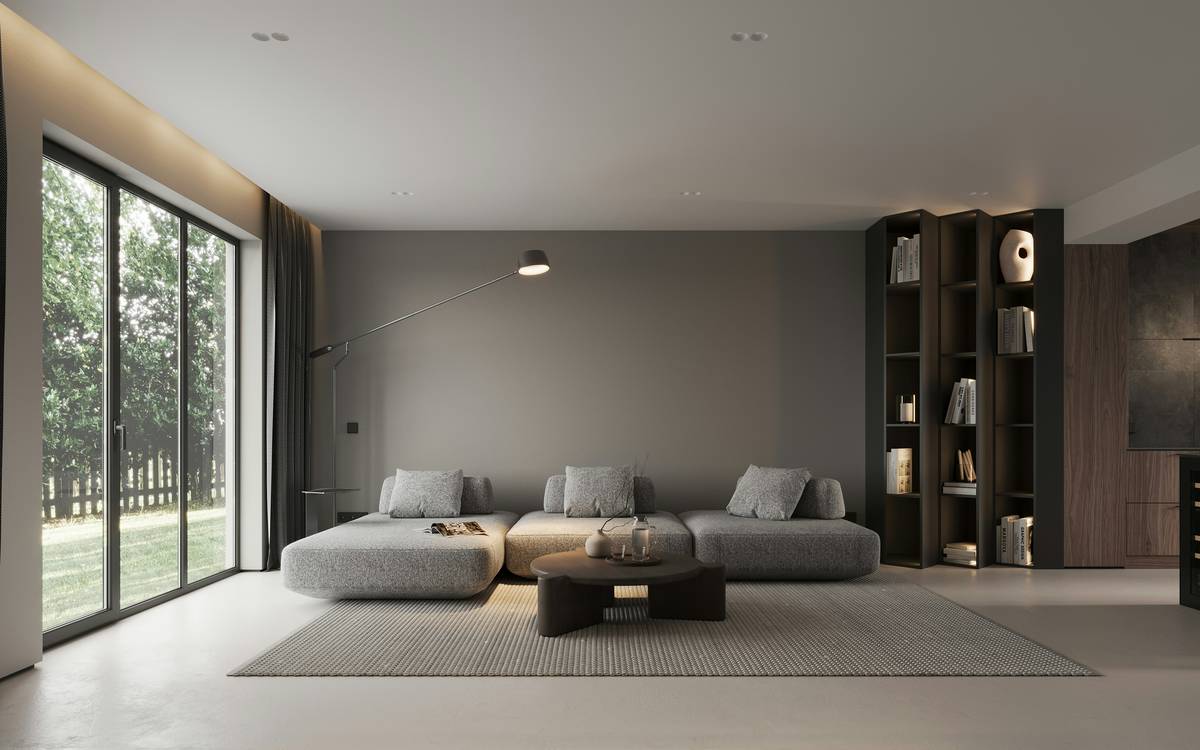
Here’s the truth: placement dictates perception. Bad placement = cheap party trick. Good placement = invisible magic.
✅ Do: Under cabinets, behind headboards, along cove ceilings
These locations create **indirect bounce lighting**, softening shadows and adding depth. In kitchens, under-cabinet strips supplement task lighting. Behind beds, they mimic the gentle glow of dawn—ideal for nighttime reading without screen glare.
❌ Don’t: Wrap around furniture legs or stick to TV bezels unless for bias lighting
Unless you’re using bias lighting (a uniform color behind your TV to reduce eye strain), visible strips on furniture read as messy. And please—never outline your sofa like it’s a crime scene.
What specs actually matter?
Forget “millions of colors.” Focus on these three:
- Color Temperature (CCT): Stick to 2700K–3000K for living areas (warm white). 4000K for kitchens/bathrooms (neutral white).
- CRI (Color Rendering Index): ≥90 ensures colors look natural. Low-CRI strips make skin tones look sickly and food unappetizing. Trust me—I tested avocados under 80 CRI vs. 95 CRI. One looked fresh; the other, bruised.
- IP Rating: IP65 minimum for kitchens/bathrooms (water-resistant). IP20 is fine for dry areas like bedrooms.
5 Pro Tips for Using LED Strip Lights in Home Decor
- Ditch RGB in main living spaces. Use tunable white (2700K–4000K) instead. It’s subtle, sophisticated, and pairs with any palette.
- Diffuse, diffuse, diffuse. Aluminum channels with frosted covers eliminate “dotting” (visible individual LEDs). Skip the tape-and-pray method.
- Hardwire when possible. Plug-in adapters wear out. For permanent installs, connect to a low-voltage transformer controlled by a wall dimmer.
- Sync with circadian rhythms. Use smart strips (like Govee or Philips Hue) to shift from cool morning light (5000K) to warm evening tones (2700K). Studies show this supports better sleep onset (Harvard Medical School, 2022).
- Less is more. One well-placed run beats five haphazard strips. Think “accent,” not “announcement.”
⚠️ Terrible Tip Alert!
“Just buy the cheapest Amazon pack with ‘music sync’!” Nope. These often lack proper color calibration, overheat, and die within months. You get what you pay for—especially with electronics touching your walls 24/7.
Rant Time: My LED Pet Peeve
Why do people default to blue? Blue at night suppresses melatonin (per NIH research). Your bedroom isn’t a nightclub—it’s a recovery zone. Stop sabotaging your sleep with icy hues. Warm light = calm mind. Period.
Real-World Case Study: My Bedroom vs. My Mom’s Kitchen
The Bedroom (Success): Installed 16.4ft of 3000K, CRI 95 LED strip inside a recessed cove above the bed. Powered by a Lutron dimmer. Result? A seamless ambient glow that makes the room feel larger and cozier. Guests always ask, “Where’s the light coming from?”—exactly the goal.
Mom’s Kitchen (Oops): She bought a $20 RGB kit, stuck it under open shelves, and left it on purple. The granite countertops looked like eggplant, and her stainless steel fridge reflected a rave. We swapped it for a 2700K hardwired strip with an aluminum channel. Now, it’s warm, functional, and disappears when off.
Moral: Context is king. Match your lighting to the room’s purpose—not Instagram aesthetics.
LED Strip Lights Home Decor FAQ
Can LED strip lights catch fire?
Quality strips with proper voltage regulation pose minimal risk. However, cheap, uncertified strips can overheat—especially if coiled or covered. Always look for UL/ETL certification. Never cover strips with flammable materials.
How long do LED strip lights last?
Most rated for 25,000–50,000 hours (per DOE standards). That’s 10–20 years if used 6 hours/day. But driver/power supply often fails before the LEDs—so invest in quality components.
Are battery-operated LED strips good for decor?
Only for temporary accents (e.g., holiday mantels). They’re dim, short-lived, and impractical for daily use. For permanent decor, hardwired or plug-in with a reliable adapter is best.
Do LED strips increase home value?
Not directly—but well-executed ambient lighting enhances perceived quality. According to Remodeling Magazine’s 2023 Cost vs. Value Report, lighting upgrades contribute to overall appeal during staging.
Conclusion
LED strip lights home decor doesn’t have to mean chaotic color cycles or tacky glows. When chosen and installed thoughtfully—with attention to color temperature, diffusion, and placement—they become invisible enhancers of space, mood, and function.
Focus on warmth over whimsy, quality over quantity, and integration over spectacle. Your future self (and your guests) will thank you.
Now go forth—and light responsibly.
Like a Tamagotchi, your LED strips need daily care… or at least occasional dusting.
Soft glow on the wall,
Warmth where shadows used to fall—
Home breathes, calm and whole.