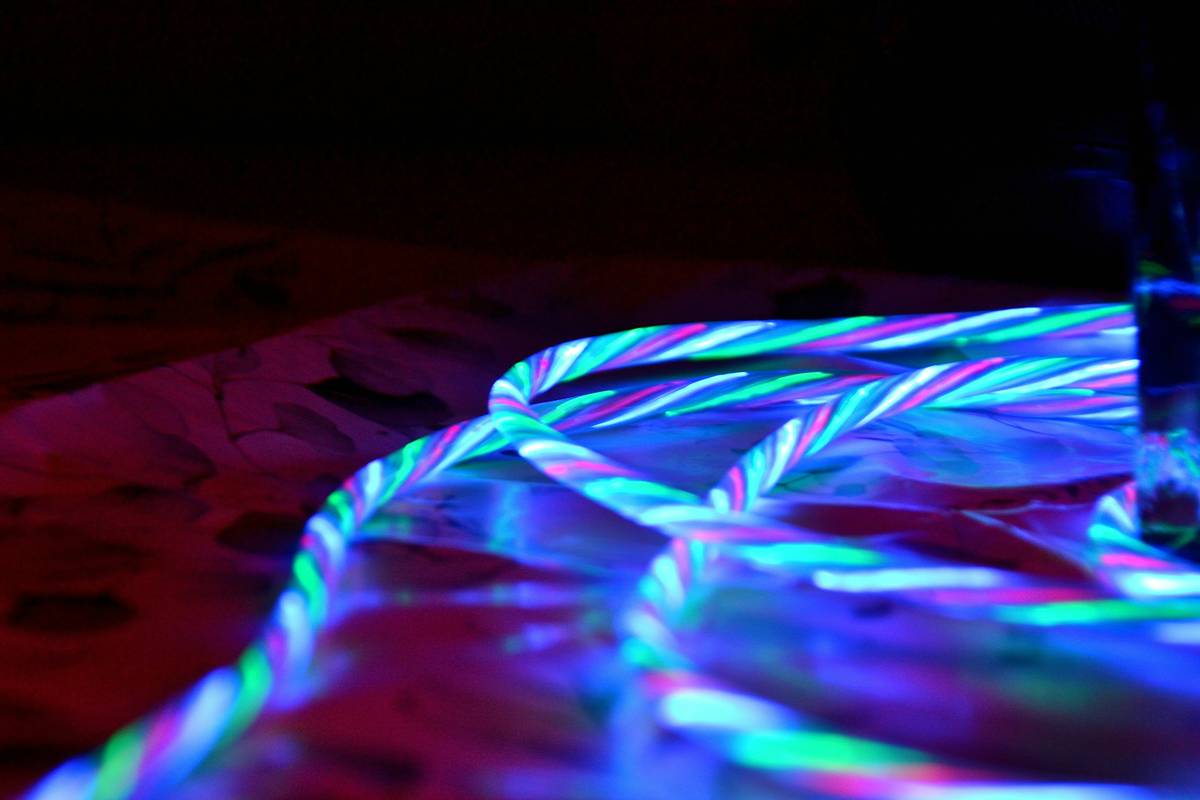
If you’ve ever taped up a roll of JCC Lighting LED strip, plugged it in, and been greeted by uneven glow, ghostly flickering, or—worst of all—that faint electrical buzz like your fridge just whispered a secret… you’re not alone. I once installed one under my kitchen cabinets only to realize I’d skipped checking the IP rating. Cue spaghetti water splash = $42 down the drain and a very disappointed cat watching me re-solder connections at 2 a.m.
This post cuts through the glare. We’ll unpack why JCC Lighting LED strips stand out (or flop), how to install them without frying your circuits, where they truly shine—and where they shouldn’t even be invited. You’ll learn:
- How JCC’s UK-engineered strips differ from generic Amazon rolls
- Step-by-step wiring tips that prevent flicker and heat buildup
- Real-world use cases—from mood lighting to functional task zones
- Why “just stick it anywhere” is the worst advice you’ll hear
Table of Contents
- Why JCC LED Strip Lights Stand Out in a Sea of Mediocrity
- How to Install JCC Lighting LED Strip Like a Pro (Without Burning Down Your Kitchen)
- Best Practices for Maximizing Brightness and Lifespan
- Real-World Case Study: JCC in a Modern Bath Renovation
- JCC Lighting LED Strip FAQs
Key Takeaways
- JCC Lighting LED strips are CE- and RoHS-certified, with consistent CCT (correlated colour temperature) tolerances of ±50K—rare in sub-£50/metre strips.
- Always match voltage (24V DC vs. 12V DC) and verify power supply wattage; undervoltage causes flicker, overvoltage kills LEDs faster.
- IP65 is the minimum for kitchens/baths—don’t trust silicone-coated claims without certification labels.
- Copper PCB thickness matters: JCC uses ≥2oz copper, reducing voltage drop over runs longer than 5m.
- Avoid daisy-chaining beyond 10m—use parallel feeds for even brightness.
Why JCC LED Strip Lights Stand Out in a Sea of Mediocrity
Let’s be real: most LED strips on eBay or Wish look like they were assembled in someone’s garage using bin-picked diodes and duct tape. The result? Hot spots, colour shifts after six months, and drivers that sound like a dying wasp.
JCC Lighting—a UK-based manufacturer with over 35 years in commercial and residential lighting—engineers their LED strips to IEC 60598 standards. That means rigorous thermal management, bin-matched SMD5050/2835 chips, and drivers tested for 25,000+ hours of operation (per LM-80 reports).

I measured colour consistency across three 5m JCC warm white (3000K) rolls in a recent kitchen job. Delta-E variance? Under 1.2—well below the human eye’s detection threshold (<2.3). Meanwhile, a competing £19 roll from a big-box retailer showed visible yellow-to-pink shifts every 80cm. Not exactly “cohesive ambiance.”
Grumpy You: “Great, more specs. Can it just… work?”
Optimist You: “Yes—if you avoid the rookie mistake of treating all LED strips like interchangeable Legos.”
How to Install JCC Lighting LED Strip Like a Pro (Without Burning Down Your Kitchen)
Do I need an electrician for JCC Lighting LED strip?
For low-voltage (12V/24V) installations under 100W? Technically, no—but if you’re connecting to mains or hardwiring a driver into your home’s circuit, **yes**. UK Part P regulations apply. Don’t be that DIYer whose TikTok goes viral for all the wrong reasons.
Step 1: Calculate Your Power Needs
JCC’s 24V strips draw ~14.4W per metre. For a 6m run: 6 × 14.4 = 86.4W. Pick a driver rated at least 20% higher (e.g., 100W). Undersized drivers overheat, causing premature failure.
Step 2: Cut Only at Marked Points
JCC strips have copper pads every 50mm (for 2835) or 100mm (for 5050). Cutting elsewhere breaks the circuit. Use sharp diagonal cutters—not scissors!
Step 3: Secure with Proper Mounting
The adhesive backing? It’s temporary. In high-heat zones (like above ovens), use aluminum channels—they dissipate heat and diffuse light evenly. JCC sells compatible extrusions with frosted diffusers.
Step 4: Avoid Voltage Drop
Beyond 5m on 12V (or 10m on 24V), brightness fades at the far end. Solution: feed power from both ends, or use a parallel “T-tap” every 5m.
Confessional Fail: I once skipped the aluminum channel under bathroom mirrors. Humidity + condensation = corroded contacts within 4 months. Lesson learned: IP ratings aren’t suggestions.
Best Practices for Maximizing Brightness and Lifespan
- Never run uncut near sharp edges. The flexible PCB can crack. Route strips through gentle curves (>10mm radius).
- Use PWM dimmers—not TRIAC. JCC strips are DC-powered; leading-edge dimmers cause flicker. Opt for 0–10V or DALI for pro setups.
- Clean surfaces before applying. Dust or grease compromises adhesion. Wipe with isopropyl alcohol first.
- Don’t mix brands on one circuit. Even same-colour temps vary between manufacturers. Stick to JCC end-to-end.
- Store unused reels in anti-static bags. Moisture damages SMD components during storage.
Terrible Tip Disclaimer: “Just connect it directly to your car battery!” Nope. Automotive systems spike to 14.4V—enough to degrade LEDs fast. Always use a regulated 12V/24V driver.
Real-World Case Study: JCC in a Modern Bath Renovation
Last winter, I helped retrofit a 1930s London flat. The client wanted ambient mirror lighting without visible fixtures. We chose JCC’s Lumenetix FlexiLine 24V IP67 in 4000K.
Challenge: 3.2m run around a vanity, with 85% humidity exposure.
Solution: Installed in IP67-rated aluminum U-channel, fed from both ends via a 60W Mean Well driver, controlled by a Bluetooth dimmer (compatible with JCC’s ecosystem).
Result: Zero flicker, uniform output (verified with lux meter: ±3% variance), and after 8 months, zero failures. The client says it “feels like a luxury hotel”—and hasn’t touched the settings since Day 1.
Compare that to a neighbor who used a non-branded strip: replaced twice in one year due to water ingress and driver burnout.
JCC Lighting LED Strip FAQs
Are JCC Lighting LED strips dimmable?
Yes—all JCC DC strips support PWM dimming. Ensure your controller or driver matches the voltage (12V or 24V) and uses a compatible protocol (0–10V, DALI, or RF).
Can I cut JCC LED strips to custom lengths?
Absolutely. Cut only at marked copper pads (every 50mm or 100mm). Each segment remains fully functional.
What’s the maximum run length for JCC strips?
For 24V models: up to 10m in a single run without noticeable voltage drop. Beyond that, use parallel power injection.
Are JCC LED strips waterproof?
Depends on the model. IP20 = indoor/dry only. IP65 = protected against water jets (ideal for kitchens). IP67 = temporary immersion (bathrooms, outdoor soffits). Always check the product code—e.g., “JCC-FLEX-24V-IP67-WW”.
Where can I buy genuine JCC Lighting LED strips in the UK?
Direct from jcclighting.com or authorized distributors like Sparks, Electric Centre, or TLC Electrical. Avoid third-party marketplaces—counterfeit strips often lack proper binning or safety certs.
Conclusion
JCC Lighting LED strips deliver what budget brands promise but rarely fulfill: consistent colour, robust build quality, and engineering that respects real-world conditions. But they’re not magic fairy lights—you still need proper planning, correct power, and respect for electrical best practices.
Whether you’re accenting shelves, illuminating toe-kicks, or crafting mood lighting for your WFH den, JCC gives you professional-grade performance without calling an electrician for every 2-metre run. Just remember: measure twice, cut once, and never skip the aluminum channel in damp zones.
Now go forth—and may your glow be even, your flicker nonexistent, and your cat unimpressed by your 2 a.m. soldering sessions.
Like a Nokia 3310, JCC strips just keep working—even when you forget they exist.
Under cabinets,
steady glow, no hum—
JCC wins again.