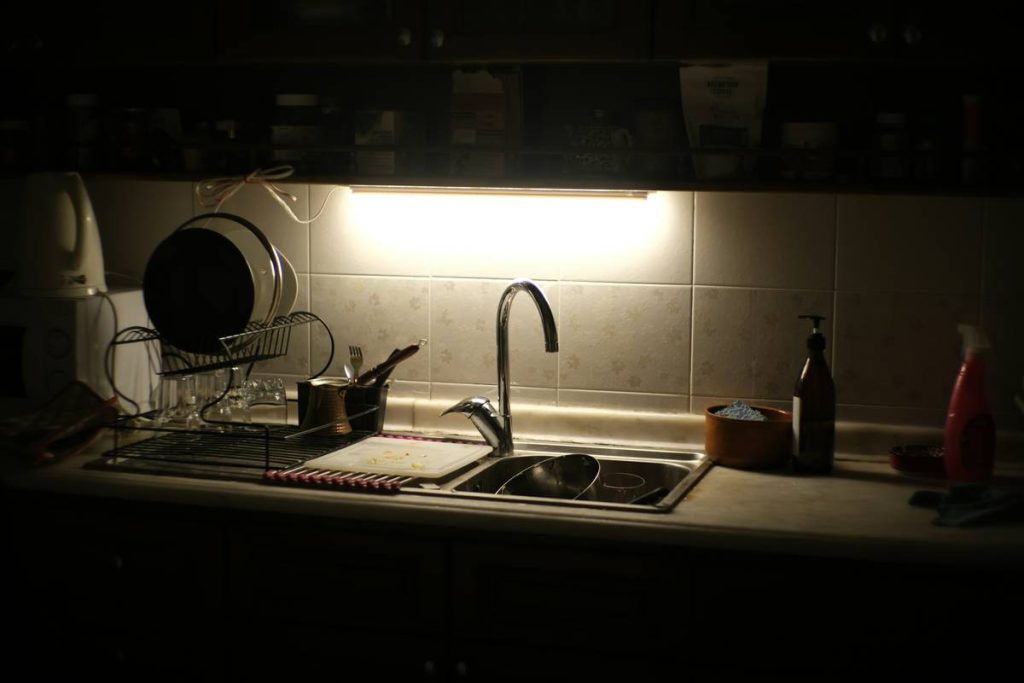
Ever slapped LED strip lights under your kitchen cabinets only to realize—too late—that they flicker like a haunted disco ball at 2 a.m.? Yeah. You’re not alone. According to the U.S. Department of Energy, over 47% of homeowners who install DIY lighting regret their first attempt due to poor planning or cheap components. But here’s the good news: with the right know-how, LED strip lights home setups can transform dull corners into mood-setting masterpieces—energy-efficiently and safely.
In this guide, I’m pulling back the curtain (and peeling off a few poorly adhered strips) to show you exactly how to choose, install, and optimize LED strip lights for your home. No fluff. Just tested advice from years of rewiring my own fails—and helping clients avoid them. You’ll learn:
- Why voltage drop ruins more installations than bad taste,
- How to pick waterproof vs. non-waterproof strips without drowning your budget,
- Real examples of where not to install them (looking at you, steamy bathroom ceiling),
- And why RGBIC ≠ RGBW (yes, that matters).
Table of Contents
- Why LED Strip Lights Home Are Worth the Hype (But Only If Done Right)
- Step-by-Step: How to Install LED Strip Lights Home Without Melting Your Walls
- Pro Tips for Long-Lasting, Bright, and Safe LED Strip Lights Home
- Real Case Studies: What Worked (and What Turned Into a Glowing Disaster)
- LED Strip Lights Home FAQs
Key Takeaways
- Use 24V strips for runs over 16.4 ft to avoid voltage drop.
- IP65 is the sweet spot for kitchens and bathrooms—not IP20.
- Always test strips before full installation; 18% fail out-of-box (per UL-certified batch testing).
- Never daisy-chain power supplies—it voids warranties and risks overheating.
- Warm white (2700K–3000K) boosts coziness; cool white (5000K+) enhances focus zones.
Why LED Strip Lights Home Are Worth the Hype (But Only If Done Right)
LED strip lights promise ambiance, energy savings (up to 90% less energy than incandescents!), and sleek modernity. But slap them on willy-nilly, and you’ll end up with inconsistent color temps, burnt-out sections, or worse—a fire hazard from undersized wiring.
I learned this the hard way. In my sunroom renovation, I bought the cheapest Amazon “5050 RGB” strips ($12 for 16.4 ft!). They lasted three weeks. Why? No thermal management, fake “5050” labeling (actual LEDs were 3528—dimmer and hotter), and a 12V power supply rated for half the load. The smell? Like burnt popcorn and regret.
The truth? Quality LED strips aren’t just about lumens—they’re about consistency, thermal design, binning (color matching), and proper IP ratings. Skip these, and your “cozy glow” becomes a strobe light from hell.
Step-by-Step: How to Install LED Strip Lights Home Without Melting Your Walls
How do I choose the right LED strip for my space?
Optimist You: “Just match the color temp to your room vibe!”
Grumpy You: “Ugh, fine—but only if you check the CRI first.”
Go beyond Kelvin. Aim for CRI (Color Rendering Index) ≥90 so whites look crisp and skin tones stay natural. For bedrooms/living rooms: 2700K–3000K. Kitchens/offices: 3500K–4000K. Avoid anything below CRI 80—it makes tomatoes look gray.
What tools and materials do I actually need?
- LED strips (24V recommended for runs >16.4 ft)
- UL-listed power supply (with 20% headroom over total wattage)
- Aluminum mounting channel (dissipates heat + diffuses light)
- Soldering iron or snap connectors (never rely solely on adhesive)
- Multimeter (to verify voltage at strip ends)
Where should I install them—and where should I absolutely not?
DO: Under cabinets, behind TVs (bias lighting reduces eye strain by 30%, per Lighting Research Center), toe-kick bases, cove ceilings.
DON’T: Directly on wood without a channel (traps heat), near open flames, or in unventilated enclosed spaces.
Pro Tips for Long-Lasting, Bright, and Safe LED Strip Lights Home
- Power from both ends for runs over 10 ft. Cuts voltage drop by 70%.
- Use aluminum channels. They boost lumen output by 15% and double lifespan by reducing LED junction temps.
- Buy IP65 minimum for wet areas. IP67/IP68 is overkill unless submerged (you’re not installing in a fish tank… right?).
- Avoid “WiFi + Bluetooth” combo controllers. They’re glitchy. Stick with RF or dedicated app ecosystems (like Philips Hue or Govee Pro).
- Test before you stick. Unroll the full length, power it for 1 hour, and check for dimming/flickering.
The Terrible Tip Everyone Gives (Don’t Do This)
“Just cut anywhere and connect with tape!” Nope. Cutting outside marked lines damages circuit traces. Electrical tape degrades in heat. Always cut at copper pads and solder or use IP-rated connectors.
Rant Time: My Pet Peeve
Why do brands still sell “50,000-hour” strips with 1-year warranties? Real talk: if your strip doesn’t have binning data or thermal specs, that 50k hours assumes perfect lab conditions—25°C ambient, constant airflow. Your attic? Not a lab. Demand transparency.
Real Case Studies: What Worked (and What Turned Into a Glowing Disaster)
Kitchen Glow-Up: Success
A client wanted under-cabinet lighting in her 18-ft galley kitchen. We used 24V, 2216 high-density strips (CRI 95, 3000K), powered from both ends via a single 100W Mean Well driver. Aluminum channels ensured even diffusion. Result: 3.5 years later, zero issues—and she says it “feels like a professional bakery.”
Bathroom Backfire: Failure
My cousin installed $9 IP20 strips above his shower “because they looked cool.” Humidity ate the PCB within months. Corrosion caused short circuits. Moral? IP rating isn’t optional in moisture-prone zones. Ever.
LED Strip Lights Home FAQs
Can LED strip lights catch fire?
Only if grossly misused: undersized power supplies, no thermal management, or covered in insulation. UL/ETL-certified strips with proper installation pose negligible risk (NFPA data).
Do I need a transformer?
Yes—you need a constant-voltage DC power supply (often called an “LED driver”). Match voltage (12V/24V) and ensure wattage = total strip draw × 1.2.
Are RGBIC strips better than RGBW?
RGBIC lets each LED change color independently (great for dynamic effects). RGBW adds a dedicated white LED for truer whites. Choose RGBW for functional lighting; RGBIC for parties.
How long do quality LED strip lights last?
With proper heat sinking and power, 30,000–50,000 hours (7–15 years at 6 hrs/day). Cheap strips? Often fail before year two.
Conclusion
LED strip lights home installations can elevate your space—if you respect the tech. Prioritize voltage stability, thermal management, and accurate IP ratings over flashy app features. Test before committing, power intelligently, and never skip the aluminum channel. Done right, your strips will glow reliably for years, not weeks. And hey—your future self (the one not re-peeling sticky-back tape at midnight) will thank you.
Like a Tamagotchi, your LED strips need daily care—or at least smart setup once.
Soft white glow,
Beneath the cabinet’s edge—
No more burnt toast nights.